

Does Microneedling Hurt? What the Sensation Actually Feels Like
- Skin 101
- October 18, 2026
- 9 min read
MICRONEEDLING
Table of Contents
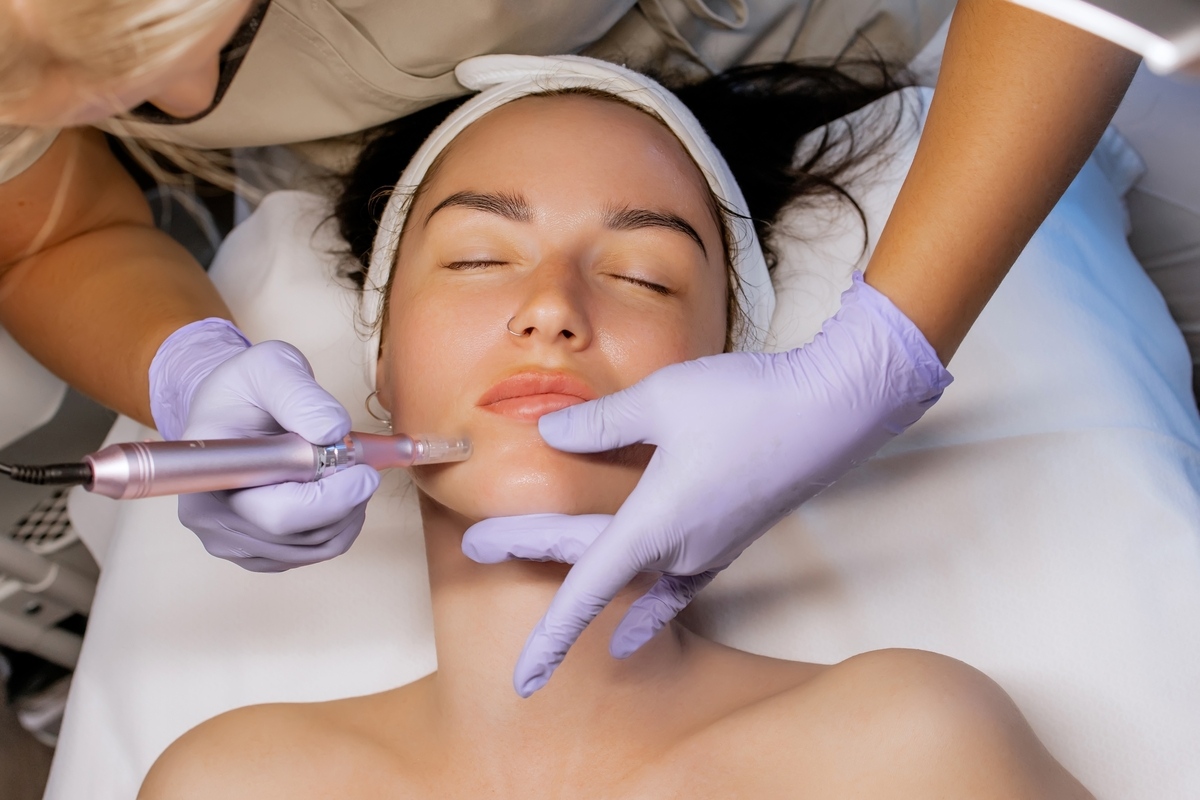
Does microneedling hurt? It’s one of the most common questions people ask before booking, and understandably so, needles and skin don’t sound like a comfortable combination. The honest answer is more reassuring than the mental image suggests, but it’s worth understanding what’s actually happening so you know what to expect rather than just taking “it’s fine” at face value.
This question tends to come up right after someone has already read about what microneedling does and decided it sounds like the right treatment for their skin. Understanding the actual sensation, rather than imagining the worst-case version of what “tiny needles in your face” might feel like, is often the last thing standing between curiosity and actually booking a consultation.
1. The Short Answer
Most people describe microneedling as mildly uncomfortable rather than painful. With topical numbing cream applied beforehand, sensation is typically rated low on a pain scale, closer to a light buzzing or scratching feeling than anything sharp. It’s not a painless procedure, but for most people it’s genuinely tolerable, not something to dread.
A useful comparison point: many people describe the sensation as milder than more commonly experienced treatments like waxing, and considerably less intense than what the phrase “controlled skin injury” might suggest on its own.
2. What the Sensation Actually Feels Like
This is worth describing honestly, not vaguely. Patients commonly describe the feeling as light pinpricks, a mild sandpaper-like sensation, or a gentle vibration moving across the skin. According to the Cleveland Clinic, post-procedure redness and swelling typically last one to two days, and the procedure itself is generally well tolerated with proper numbing.
Numbing cream reduces sharp pain signals, but it doesn’t eliminate every sensation. You’ll likely still feel the device moving across your skin, pressure, warmth, or vibration, even when fully numbed. That’s expected and doesn’t mean the numbing isn’t working.
It’s also worth knowing that the sensation tends to change slightly throughout the session rather than staying constant. The first pass over an area often registers more than subsequent passes, as the skin adjusts. Providers are also generally checking in throughout, which itself can make the experience feel more manageable than going in expecting to just grit your teeth through the whole thing silently.
3. Why Needle Depth Changes Everything
Needle depth is the single biggest factor in how much sensation you’ll feel, and it’s a clinical decision tied to what’s being treated, not a comfort dial. Shallower depths, generally used for general texture and rejuvenation, tend to produce minimal discomfort, often described as barely noticeable beyond light buzzing. Deeper settings, used for more established acne scarring, involve more pressure and occasional pinpoint sensitivity, though this remains manageable with proper numbing.
This is part of why the answer to “does microneedling hurt” genuinely depends on what you’re having treated. A session focused on general glow and texture will feel different from a session targeting deeper scarring. If you’re specifically weighing this treatment for scarring, our guide on microneedling for acne scars covers what to expect for that particular use case, including how depth is typically approached for scar tissue specifically.
4. Which Areas Feel More Sensitive
Your face isn’t uniformly sensitive, and sensation shifts depending on where the treatment is happening:
- Forehead and cheeks tend to be the most comfortable areas, with skin sitting further from bone
- Nose, jawline, and hairline tend to feel sharper, since skin sits closer to bone in these areas
- Areas with thinner skin, like around the eyes, mouth, and neck, can feel more sensitive due to less cushioning
Your provider will typically move through more sensitive areas more quickly and can pause or adjust at any point if a specific area feels uncomfortable. It’s worth mentioning any particularly sensitive areas before your session starts, so your provider can plan the treatment order accordingly rather than adjusting mid-session.
5. What Numbing Actually Does, and Doesn't Do
This is where expectations sometimes get set incorrectly. Topical numbing cream is standard practice, and no reputable provider skips this step. It’s genuinely effective at reducing sharp pain, but it works on pain signals specifically, not pressure or vibration. So even with full numbing, you’ll likely still feel the treatment happening, just without the sharp, stinging sensation you might be picturing.
According to MedlinePlus, a service of the National Library of Medicine, topical anesthetics should be applied as directed and monitored by a clinician, since improper use over large areas can cause complications, which is part of why numbing at a professional treatment is handled by your provider rather than something to try to maximize on your own beforehand.
Timing matters here too. Numbing cream generally needs to sit on the skin for a meaningful window before treatment begins to reach full effect. Arriving early enough for this step to work properly, rather than rushing straight into treatment, genuinely affects how comfortable the session feels.
6. What Affects Your Personal Pain Level
A few factors genuinely affect how much you’ll feel, beyond needle depth and treatment area:
- Numbing time — proper application typically needs 15 to 30 minutes before treatment to take full effect
- Personal pain tolerance — this varies naturally from person to person, the same treatment can feel different to different people
- Stress and anxiety level — feeling tense going in can heighten perceived discomfort, while feeling relaxed tends to make the sensation more manageable
- Prior experience — many people say subsequent sessions feel easier than the first, simply because they know what to expect
- Hydration and skin condition on the day of treatment — very dry or compromised skin can sometimes feel more sensitive than well-moisturized, healthy skin
It’s worth mentioning any anxiety about the procedure to your provider beforehand, not to be dismissed, but because providers who treat this regularly often have simple ways to help you feel more at ease, whether that’s talking through the process step by step or adjusting pacing during the session itself.
7. Frequently Asked Questions
Does microneedling hurt more than a facial or peel?
Generally, sensation is comparable to or milder than more aggressive facial treatments, and most people find it more manageable than they initially expect.
Will I need numbing cream every time?
Yes, typically. Numbing is standard practice for every session, not just your first, since needle depth and technique remain the same across your treatment plan.
What if a specific area feels too uncomfortable during treatment?
Tell your provider. They can pause, adjust technique, or reduce needle depth in a specific area to keep the session comfortable throughout.
Does RF microneedling hurt more than standard microneedling?
It can involve a bit more warmth or a gentle “zapping” sensation due to the added radiofrequency energy, though it’s still generally well tolerated with numbing.
Is the pain worse for acne scar treatment specifically?
Deeper needle settings used for established scarring can involve more pressure, but this remains manageable with proper numbing for most patients.
8. Bottom Line
Does microneedling hurt? For most people, the honest answer is that it’s uncomfortable, not painful, especially with proper numbing and an experienced provider adjusting technique to your specific treatment area. Needle depth, treatment area, and your personal pain tolerance all shape the exact sensation, but genuine pain is uncommon when the procedure is performed correctly.
If concerns about discomfort have been holding you back from microneedling, a consultation is a good place to ask specific questions about your own treatment plan and what to expect. If you’re also weighing whether you’re a good overall fit for treatment, our guide on candidacy for microneedling covers that in more depth.
Key Takeaways
- Most people describe microneedling as uncomfortable rather than painful, especially with numbing
- Needle depth is the biggest factor in sensation, deeper settings for scarring feel more noticeable than shallow settings for texture
- Numbing cream reduces sharp pain but doesn’t eliminate pressure or vibration entirely
- Forehead and cheeks tend to be the most comfortable areas; nose, jawline, and areas near bone feel sharper
- Personal pain tolerance, stress level, and prior experience all affect how a session feels
- Later sessions often feel more manageable than the first, once you know what to expect
DISCOMFORT SHOULDN'T BE WHAT'S HOLDING YOU BACK.
If concerns about pain have kept you from booking, that’s worth talking through, not just pushing past. A consultation can walk you through exactly what your session would feel like, based on your skin and your specific treatment plan.
Disclaimer: This content is for informational purposes only and does not constitute medical advice. Individual results vary. Consult a licensed provider before beginning any skin treatment.