

What Is Microneedling and How Does It Actually Work?
- Skin 101
- August 2, 2026
- 10 min read
microneedling
Table of Contents
Microneedling is one of the most talked-about skin treatments right now, but most explanations online are either too technical or too vague to be useful. You want to know what actually happens to your skin, what a session feels like, and why results take time to show up rather than appearing overnight.
The answers come down to how your skin heals itself. Here’s a clear breakdown of what microneedling is, how it works beneath the surface, and what to realistically expect, along with how it connects to related concerns like enlarged pores and uneven skin texture.
1. What Microneedling Actually Is
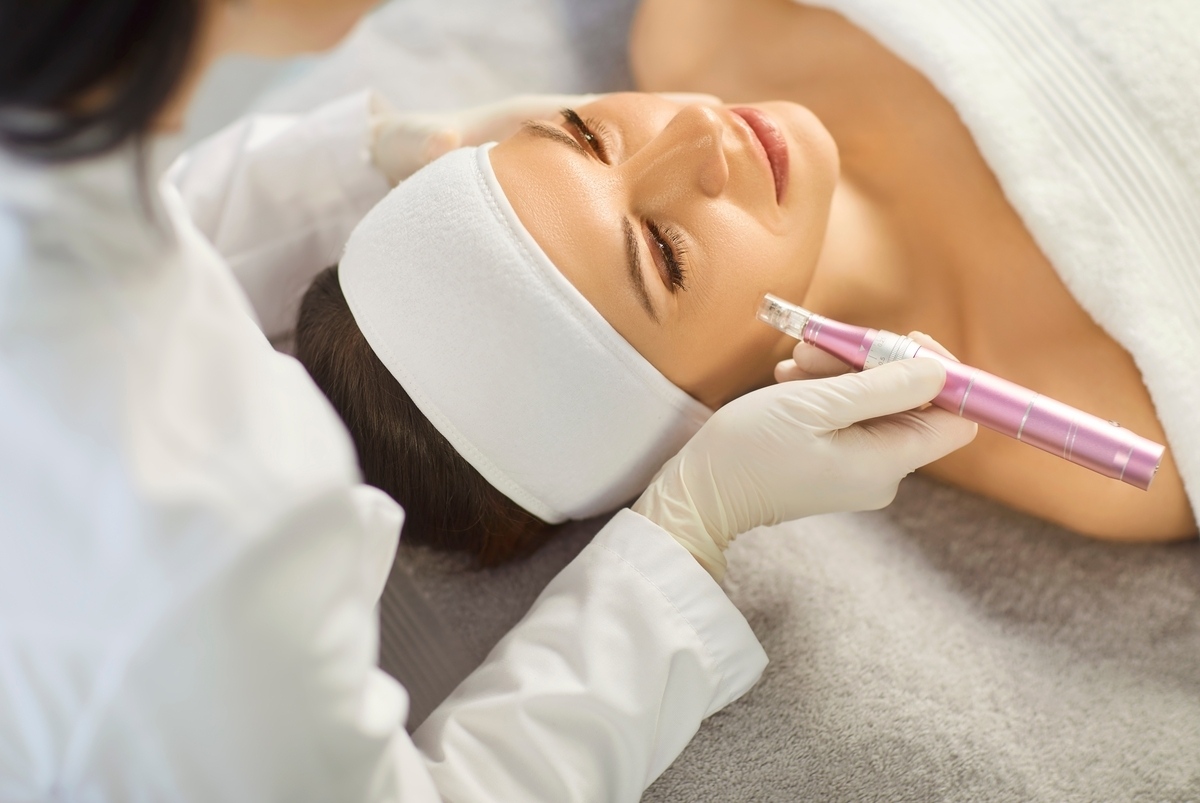
At its core, this treatment uses a device covered in very fine, sterile needles to create controlled micro-injuries in the top layers of your skin. It sounds intense, but the needles are shallow, the injuries are microscopic, and the entire process is built around triggering your skin’s own healing response rather than causing damage.
You may also see it called collagen induction therapy. That name describes what’s actually happening underneath: your skin is prompted to produce more collagen, the protein that keeps skin firm, smooth, and resilient. As collagen naturally declines with age and sun exposure, this treatment essentially restarts a production process your skin has slowed down over time.
It’s different from resurfacing treatments. Where a chemical peel or laser resurfacing works by removing or altering the outer layer of skin, this approach leaves the surface largely intact and works from underneath instead. That distinction matters, because it’s part of why the treatment is considered appropriate for a wider range of skin tones than some resurfacing options.
2. What Happens Beneath the Surface
The process unfolds in three phases, and understanding them explains why results take weeks rather than days to appear.
- Inflammation phase: healing signals reach the treated area within minutes of the session, triggering the body’s natural repair response
- Proliferation phase: fibroblasts, the cells responsible for producing collagen, activate and begin rebuilding tissue in the treated area
- Remodeling phase: new collagen and elastin are laid down over the following weeks, gradually improving texture, tone, and firmness
According to a comprehensive dermatology review published on PMC, this process also stimulates new blood vessel formation in the treated area, improving nutrient delivery and supporting more organized healing. That’s a big part of why results keep improving for weeks after a single visit, rather than showing up all at once. Most patients notice the remodeling phase is still active a full month after their appointment, which is why providers space sessions out rather than treating every few days.
3. What This Treatment Can Help With
Because it rebuilds collagen from within, microneedling is suited to concerns that are structural, not just surface-level:
- Acne scars, particularly shallow to moderate indentations
- Enlarged pores
- Uneven skin texture
- Fine lines and early signs of aging
- Overall dullness and loss of firmness
According to the American Academy of Dermatology, this approach is considered safe for all skin tones, which sets it apart from some laser and light-based treatments that carry more risk of post-inflammatory pigmentation for patients with deeper skin tones. If acne scarring is your main concern, it’s worth reading how microneedling compares to other treatment options for that specifically, since the right approach often depends on the type of scarring involved.
It’s not a substitute for active acne treatment. Microneedling addresses scarring and texture left behind after breakouts heal. Active, inflamed acne is generally treated first, since needling over active breakouts can spread bacteria and irritate already-inflamed skin.
4. What a Session Looks Like
Preparation comes first.
Skin is cleansed and a topical numbing cream is applied roughly 20 to 30 minutes before treatment begins, giving it time to take full effect.
The treatment itself is quick.
The provider passes the device over the treatment area in controlled, overlapping passes, adjusting needle depth based on the area being treated and the concern being addressed. Most sessions finish in 30 to 45 minutes.
Aftercare starts immediately.
A calming serum or mask is applied right after the session to support the healing process. Most patients notice redness and mild sensitivity, similar to a mild sunburn, for the first day or two. Makeup is typically avoided for at least 24 hours to reduce the risk of irritation while the micro-channels close.
Sun protection matters more than usual.
Freshly treated skin is more sensitive to UV exposure in the days following a session, so diligent sunscreen use is part of getting the results you’re expecting.
5. How Many Sessions You'll Likely Need
Microneedling is a cumulative treatment, not a one-and-done procedure. One visit can improve texture and tone, but noticeable changes to acne scars or deeper concerns typically build over a series of sessions spaced four to six weeks apart. That spacing gives your skin time to finish remodeling collagen before the next round of stimulation begins.
Most treatment plans fall somewhere in this range:
- Maintenance or general rejuvenation: 3 sessions
- Moderate texture or early scarring concerns: 4 to 6 sessions
- More established acne scarring: 6 or more sessions, sometimes combined with other treatments
Your provider will tailor the number of sessions to your specific skin and goals during a consultation, since scarring depth and skin condition vary significantly from person to person.
6. Frequently Asked Questions
Does microneedling hurt?
Most patients describe mild discomfort rather than pain, especially with topical numbing cream applied beforehand. Sensitivity varies by treatment area and needle depth.
How long does it take to see results?
Initial glow and smoother texture are often visible within a few days. Deeper improvements to scarring and texture continue developing over 4 to 6 weeks as collagen remodels.
Is it safe for sensitive or acne-prone skin?
Yes, when performed by a trained provider. Active breakouts are typically treated around, and your provider will assess your skin before recommending a session.
What's the difference between this and a chemical peel?
This treatment works below the skin’s surface to rebuild collagen, while a chemical peel works on the surface layer to remove damaged skin cells. Many patients benefit from combining both over time.
How is an in-office session different from at-home derma rollers?
Provider-performed sessions use greater, medically controlled needle depth and sterile technique, producing a stronger collagen response than at-home devices can safely achieve.
Can microneedling be combined with other treatments?
Yes. It’s commonly paired with PRP (platelet-rich plasma) or used alongside chemical peels as part of a broader plan for acne scarring and texture concerns.
7. Bottom Line
Microneedling works because it gives your skin a reason to rebuild itself, using collagen it already knows how to make. It’s a gradual process built on a series of sessions, not an overnight fix, but for concerns like acne scars, enlarged pores, and uneven texture, that gradual rebuilding is exactly what produces results that hold up over time. Consistency matters more than intensity here. Sticking to the recommended schedule between sessions gives your skin the time it needs to complete each stage of healing before being stimulated again.
If you’re wondering whether this is the right starting point for your skin, a consultation is the most direct way to find out, since the right number of sessions and approach depend on your specific scarring, texture, and goals.
Key Takeaways
- Microneedling uses fine, sterile needles to create controlled micro-injuries that trigger your skin’s natural collagen production
- Results build gradually over 4 to 6 weeks per session as collagen remodels beneath the surface, not overnight
- It’s suited to acne scars, enlarged pores, uneven texture, fine lines, and overall dullness
- It’s considered safe for all skin tones, unlike some laser and light-based alternatives
- Most patients need 3 to 6+ sessions spaced four to six weeks apart, depending on the concern being treated
- Active, inflamed acne is typically treated first, since this treatment targets scarring and texture left behind after breakouts heal
YOUR SKIN HAS CHANGED. YOUR APPROACH SHOULD TOO.
If you’ve tried products and routines that used to work and you’re still looking at scarring, texture, or pores that won’t budge, the issue isn’t effort. It’s that surface-level care can’t reach what’s happening underneath. A microneedling consultation can show you exactly what’s going on with your skin and build a plan around it.
Disclaimer: This content is for informational purposes only and does not constitute medical advice. Individual results vary. Consult a licensed provider before beginning any skin treatment.